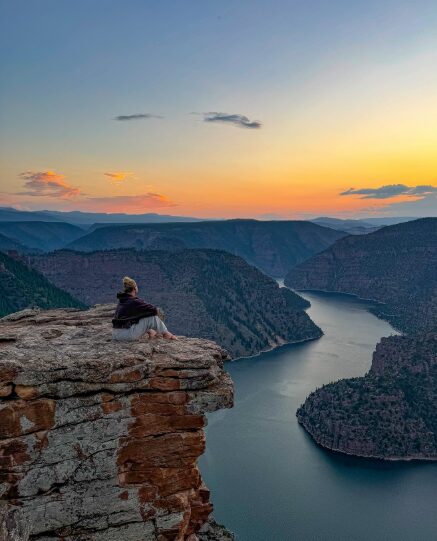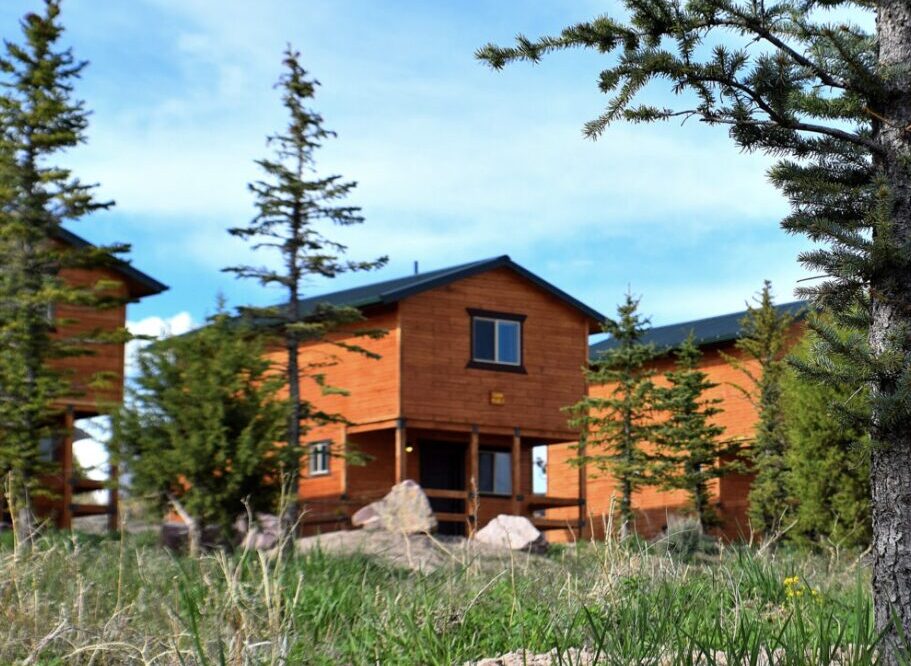
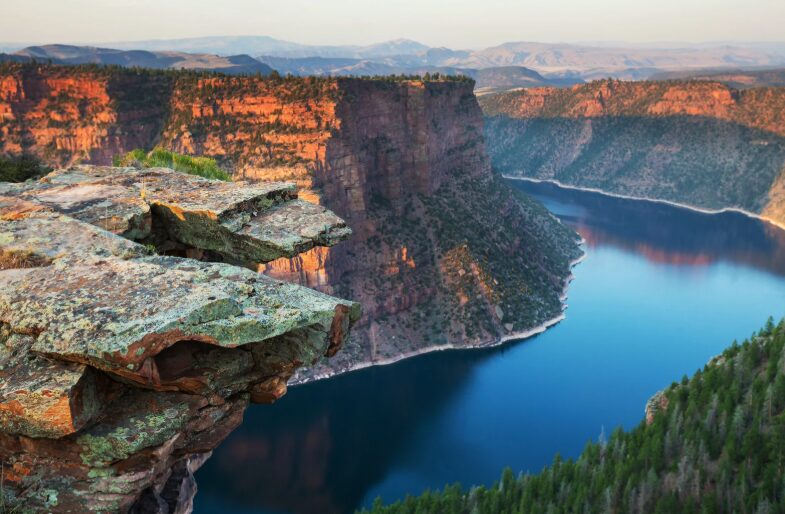
The Flaming Gorge Reservoir stands as one of the most dramatic transformations in American water history. Stretching 91 miles across the Utah-Wyoming border, this massive body of water covers 42,020 acres and holds stories that span from John Wesley Powell’s 1869 expedition to modern conservation efforts. At the heart of this history sits Dutch John Resort, a community born from the dam’s construction that has evolved into the premier gateway for exploring the reservoir’s hidden past.
The Birth of Flaming Gorge Dam and Dutch John
When President Dwight D. Eisenhower pressed a button on his desk in March 1958, setting off the first blast in Red Canyon, he initiated one of the most ambitious engineering projects in the American West. The Flaming Gorge Dam, part of the Colorado River Storage Project, would take six years to complete and forever change the Green River landscape.
Dutch John itself was constructed by the Bureau of Reclamation as a company town to house the more than 3,000 workers building the dam. What began as temporary housing at 6,324 feet above sea level became a permanent mountain community—the literal gateway to Flaming Gorge National Recreation Area, located just 3 miles from the dam.
The town’s namesake, John Honselena, was a German immigrant who raised horses and maintained a summer camp near Summit Springs Guard Station in the late 1800s. His German accent earned him the nickname “Dutch John,” and the area where he ranged his horses—Dutch John Flat—became the foundation for today’s community.