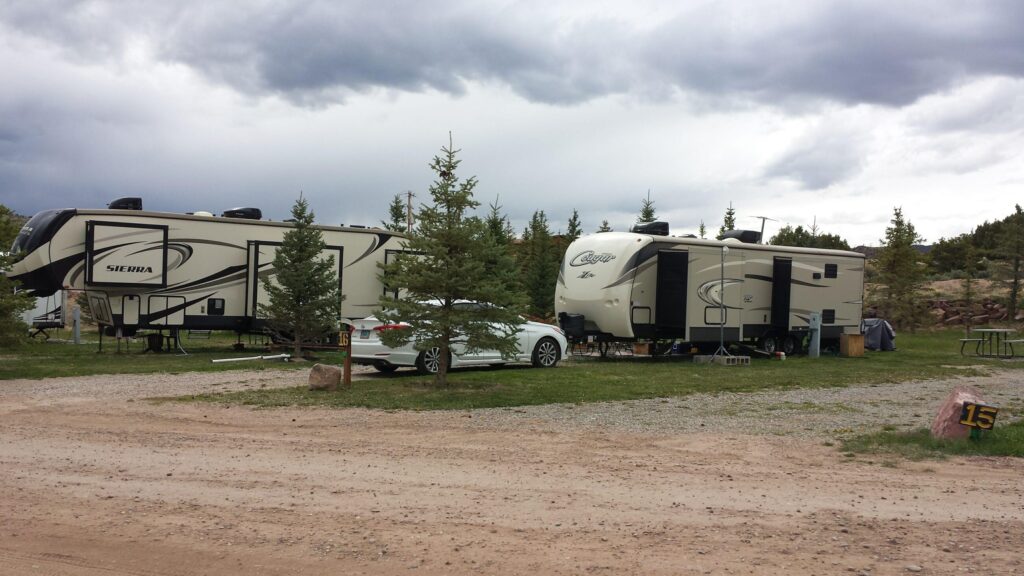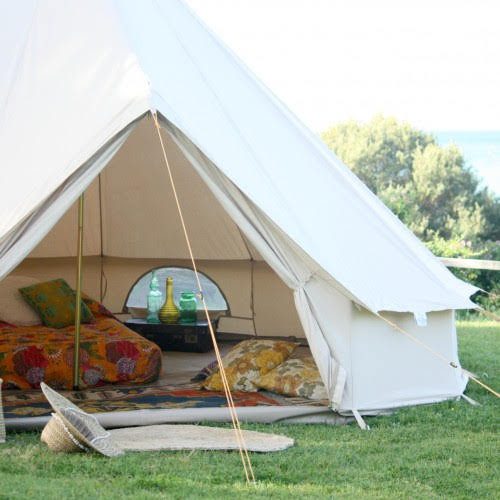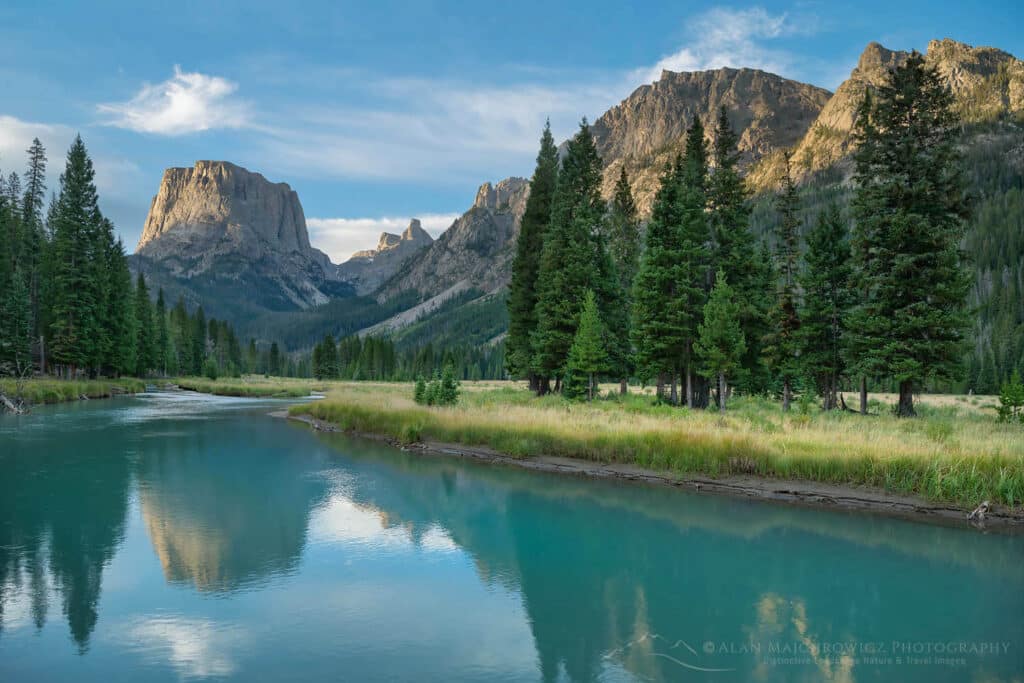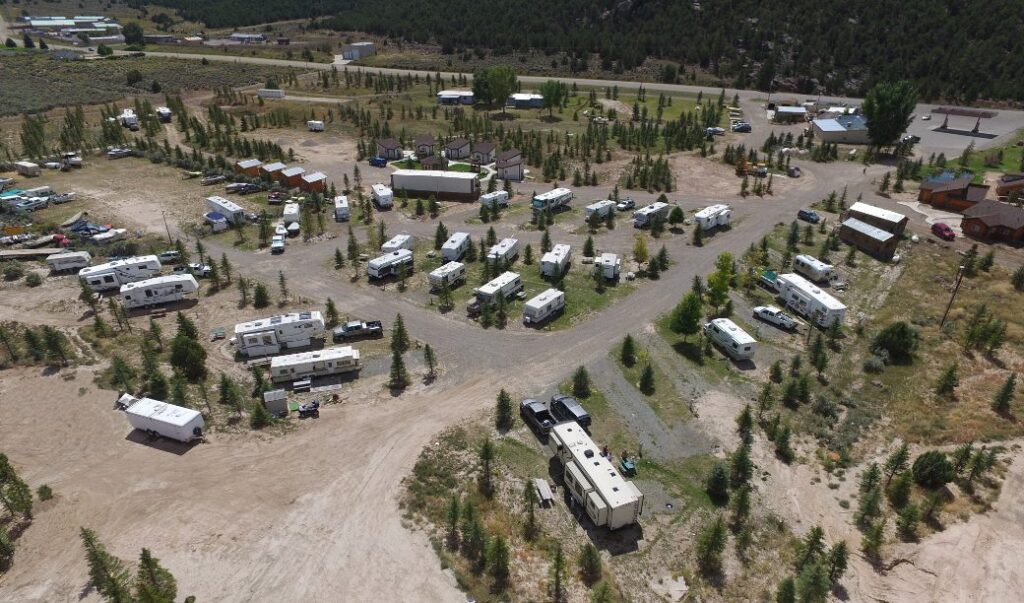
When most people search “green river utah camping,” they picture the dusty desert town near Moab — the melon stands, the highway exit, and the muddy water sliding south toward Canyonlands National Park and Stillwater Canyon. That’s one Green River. There’s another. It’s colder, clearer, and far less crowded, and it begins at the base of a 502-foot wall of concrete called Flaming Gorge Dam.
This is the story of the other Green River Utah camping experience — the one tucked into Ashley National Forest at Dutch John, where the river runs emerald, the canyon walls glow at sunset, and the closest thing to a crowd is a pod of rafts drifting through Red Canyon. If you’ve only ever camped the desert stretch, you’ve been missing the better half of the river.
Two Rivers, One Name, Very Different Nights
The Green River is the largest tributary of the Colorado River, threading more than 700 miles through Wyoming, Colorado, and Utah before it meets the Colorado deep inside Canyonlands National Park. Along the way it carves through Browns Park, slips past Split Mountain in Dinosaur country where it gathers the Yampa River, and finally mellows into the silty desert flats near the town that shares its name.
Pick your spot on that map and the camping changes completely. Down south, near Green River State Park, the water is warm, brown, and slow — gateway country to Goblin Valley, the San Rafael Swell, Arches National Park, and Capitol Reef National Park. It’s beautiful in its own stark way, and the campground at Green River State Park puts you within a short drive of all of it. But it’s a desert basecamp, not a riverfront escape.
Up north below the gorge dam, the river is a different animal entirely. Flaming Gorge Dam releases water from the cold bottom of the reservoir, so the Green here stays clear and chilly all summer. That single fact reshapes every night you spend on this stretch — cooler air, world-class trout water out your front door, and red-rock walls that turn molten at golden hour. This is the Green River camping that locals quietly keep for themselves.