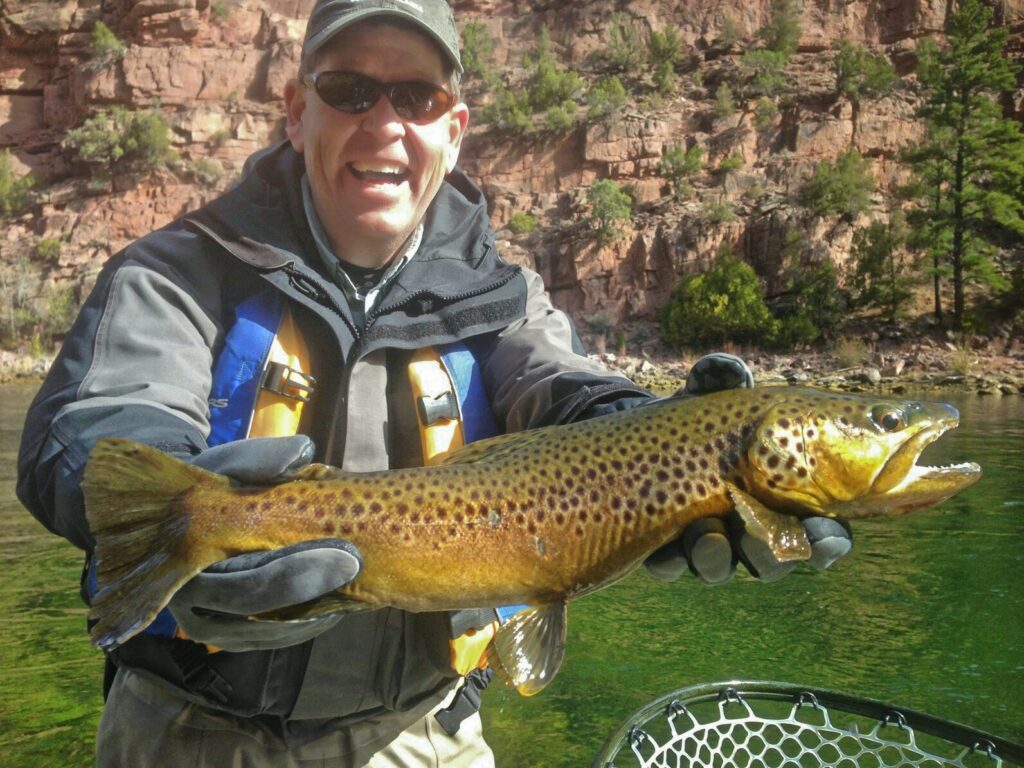
There is a fish in northeastern Utah that has no business being here.
Kokanee salmon are sockeye salmon that never reach the ocean. They spend their entire lives in cold, deep lakes, and in late summer they turn a hard, unmistakable red. Most people associate them with Alaska, British Columbia, or the glacial lakes of the northern Rockies. Almost nobody associates them with high desert country ringed by red rock and sagebrush.
Yet every fall, anglers hitch up boats in Colorado, Wyoming, Idaho, Nevada, and every corner of Utah and point them toward Flaming Gorge National Recreation Area. They come for a salmon fishery that exists in one of the least likely places in the Rocky Mountain West, and they keep coming back because the fishing genuinely delivers.
The Unlikely Origin of Flaming Gorge National Recreation Area
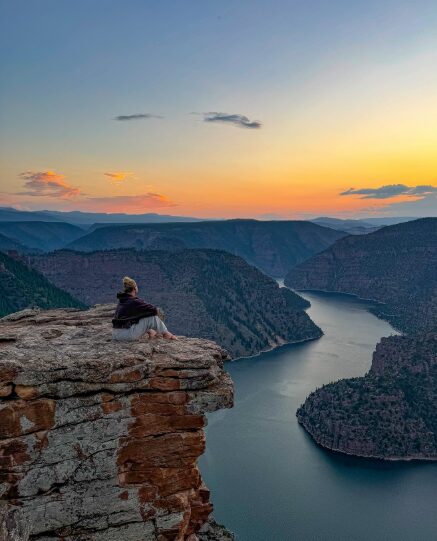
The Green River carved this canyon long before anyone thought to build anything here. John Wesley Powell named the place in 1869 when low sun lit the canyon walls, and the name stuck. The Green River is still the longest tributary of the Colorado River, and it still cuts through some of the most dramatic rock formations in the state.
What changed everything was Flaming Gorge Dam. Completed in 1964 and standing more than 500 feet tall, the dam backed the Green River up into a reservoir that stretches roughly 91 miles across the Utah and Wyoming state line. That reservoir is deep, and depth in a desert canyon means cold temperatures hold year round well below the surface. Cold is exactly what salmon require.
Congress established the surrounding Flaming Gorge National Recreation Area in 1968, and the Forest Service has managed it ever since as part of Ashley National Forest. The result is a national recreation area where you can troll for salmon in the morning and drive through red rock canyon in the afternoon without leaving the boundary.