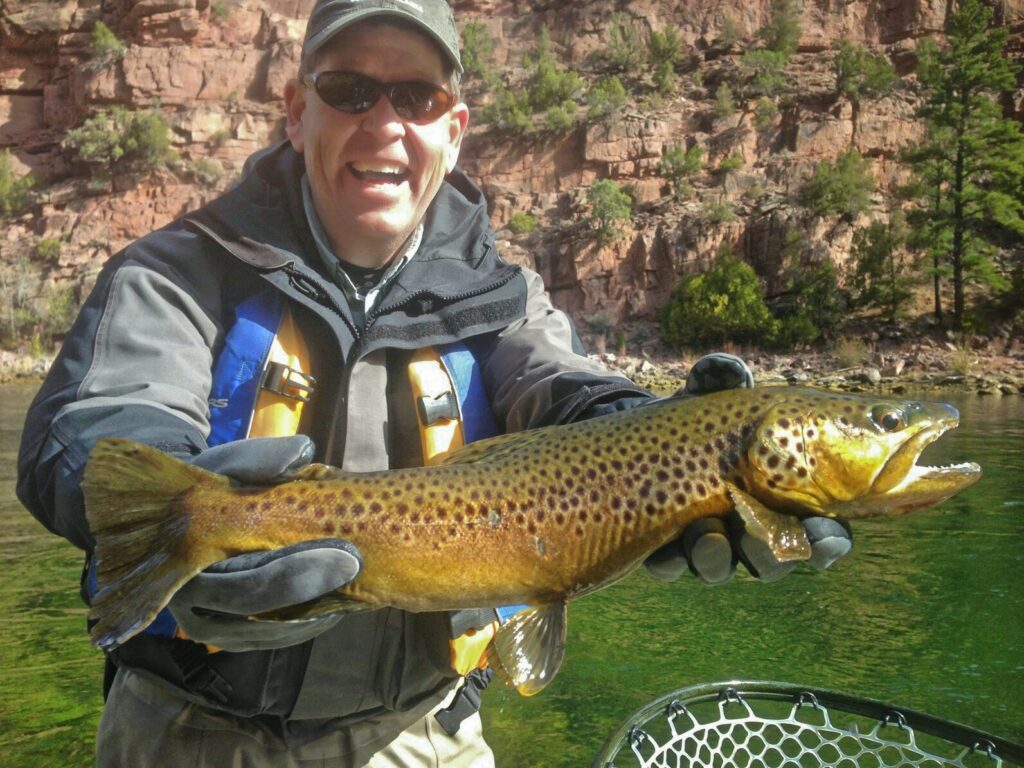
There are closer rivers. There are easier rivers. And yet every season, anglers load up in Salt Lake City, Denver, and a hundred small towns across the American West and point the truck toward one cold, clear stretch of water tucked into the high country of northeastern Utah. They drive past a dozen perfectly good rivers to get there. The question is why — and the answer starts at the base of a dam.
This is the story of the Green River Utah anglers obsess over, and what makes the few miles below Flaming Gorge Dam worth the long haul.
The Tailwater That Built the Legend
The Green is the largest tributary of the Colorado River, but for fly fishers, only one section truly matters. When Flaming Gorge Dam was completed in 1964, it began releasing cold, clear water from deep in the Flaming Gorge Reservoir. That single change transformed a warm, seasonal desert river into one of the most celebrated trout fisheries in the country.
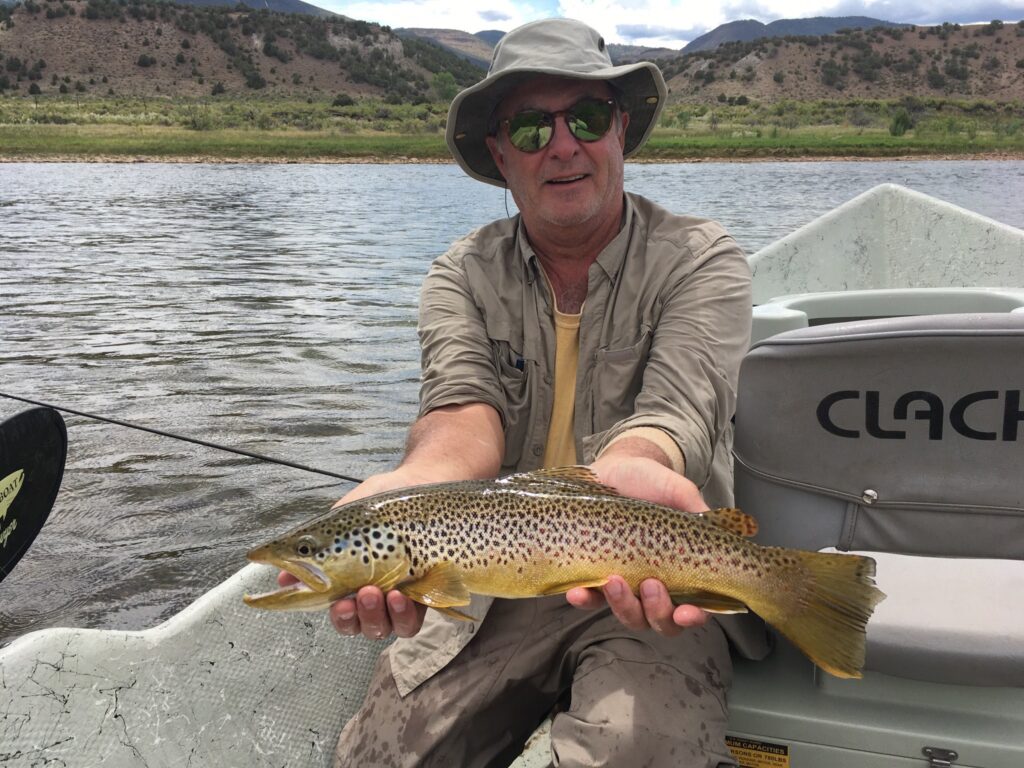
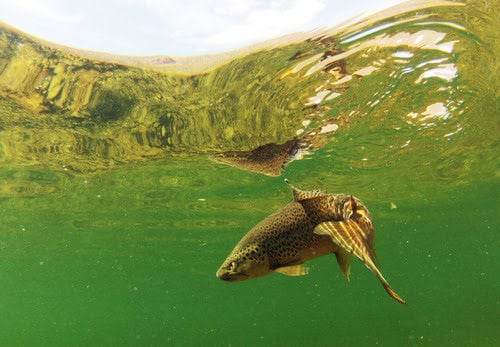
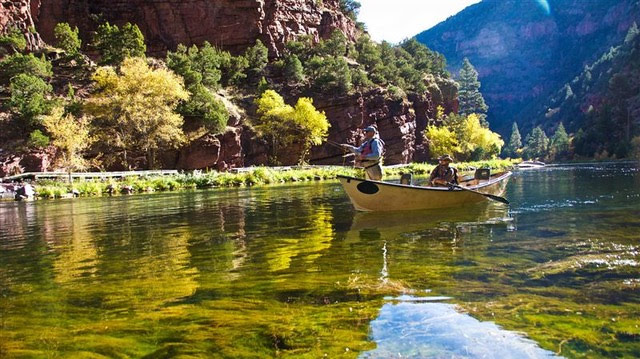
Below the gorge dam, the water stays cold and almost unnervingly transparent year-round. It runs through Red Canyon, where sheer walls glow rust-red above an emerald current, and it holds an astonishing population of wild brown trout and rainbows. The upper miles are famous for their fish density — drift the run on a clear morning and you can watch trout hold and feed on the gravel below your boat. For serious anglers, that combination of clarity, scenery, and sheer numbers of trout is close to a religious experience. It’s the reason the Green River Utah keeps landing on “best trout rivers in America” lists decade after decade.